Why Remington Holds On: The Ingredients Behind a Neighborhood That Actually Sticks
America has no shortage of neighborhoods that were supposed to be the next big thing.
You know the story. A cluster of artists moves in, rents are still cheap, a few good restaurants open, a lifestyle publication does a feature, and suddenly the neighborhood is on every "places to watch" list in the city. Then one of two things happens: either the investment never materializes and the neighborhood stalls, or it does materialize and the people who made it interesting get priced out. Either way, the soul of the place doesn't survive.
Remington has managed to thread a needle that most neighborhoods miss. It has grown — meaningfully, visibly, economically — without losing the texture that made it worth growing in the first place. That's not an accident. And it's not magic. It's the result of a specific combination of factors that, taken together, create something harder to replicate than most people realize.
So what's actually in the recipe?
Affordability That Lasted Long Enough to Matter
The window for genuine affordability in a revitalizing neighborhood is usually narrow. Prices rise, rents follow, and the people who could have put down roots get squeezed out before they ever had the chance.
Remington's affordability window stayed open longer than most, and that timing made all the difference. Young professionals, artists, first-time buyers, and working families all had enough runway to actually purchase — not just rent — in the neighborhood before prices climbed beyond reach. Homeownership, even modest homeownership, changes people's relationship to a place. You stop thinking about where you might move next and start thinking about what you want your block to look like in ten years.
This matters for retention in a way that renters-only neighborhoods rarely achieve. Owners have skin in the game. They show up to community meetings. They renovate. They stay.
That's not a knock on renters — Remington has plenty of long-term renters who are deeply invested in the neighborhood. But the presence of a critical mass of owner-occupants created a stabilizing force that kept the community from becoming purely transient.
An Identity That Predates the Hype
Some revitalized neighborhoods feel like they were invented by a marketing team. Their identity is imposed from outside — a branding exercise dressed up as community character.
Remington's identity predates any of the recent attention it's received. It was a working-class neighborhood with a specific history, specific architecture, and specific people long before it appeared on any lifestyle website. That existing character gave new residents something to connect to rather than something to construct from scratch.
This matters psychologically. People stay in places that feel real. They leave places that feel like sets.
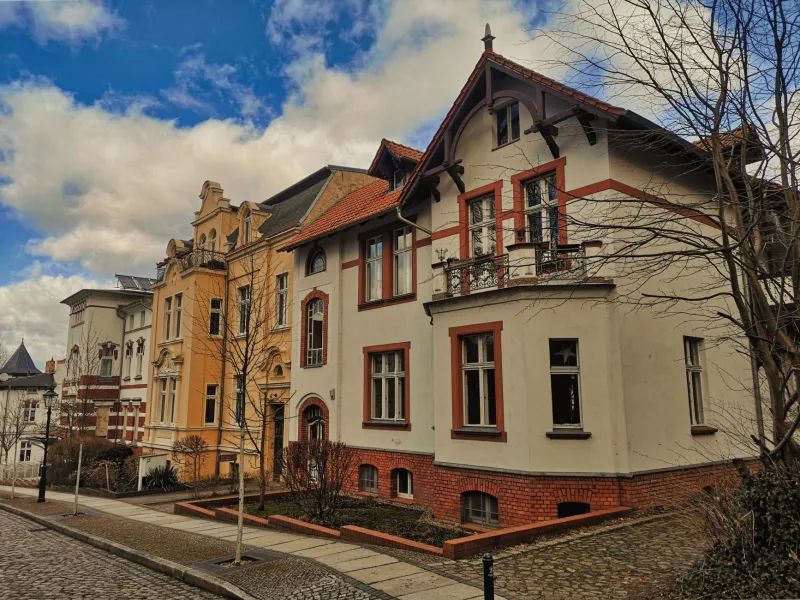
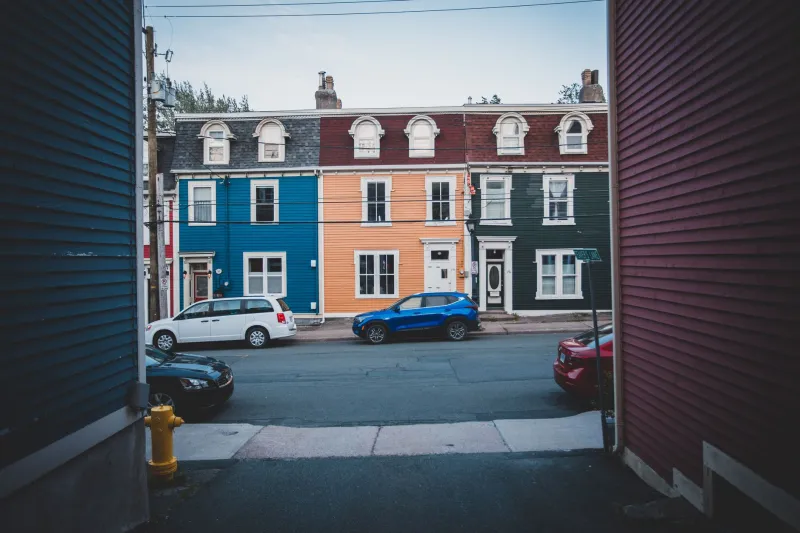
The neighborhood's industrial heritage, its rowhouse architecture, its proximity to Johns Hopkins, its scrappy commercial strips — none of that was manufactured for the sake of appeal. It existed, and new residents chose to inhabit it rather than replace it. The result is a layered identity that holds up over time because it was built on something genuine.
Accessibility Without Isolation
One of the quiet killers of neighborhood retention is inconvenience. When daily life requires effort — long commutes, scarce parking, food deserts, poor transit — residents eventually exhaust their goodwill for a place, no matter how much they love it in theory.
Remington sits in a geographic sweet spot. It's close enough to downtown Baltimore and the Hopkins medical campus to make car-free or low-car living genuinely viable for a large portion of residents. It's walkable enough that daily errands don't require a production. And it's connected enough to the broader city that residents don't feel marooned.
This accessibility compounds over time. Residents who don't need cars save money, which makes staying financially feasible. Residents who can walk to work or transit develop stronger ties to the immediate neighborhood because they actually move through it on foot. Walkability, it turns out, is one of the most powerful retention tools a neighborhood can have — not because it's trendy, but because it makes daily life easier.
Development That Serves Residents Rather Than Replacing Them
Not all development is created equal. In plenty of American neighborhoods, revitalization is essentially a displacement mechanism — new investment flows in, existing residents flow out, and the neighborhood that emerges has little connection to the one that preceded it.
Remington's development arc has been imperfect — no neighborhood's is perfect — but it has been more resident-oriented than the typical urban revival story. New businesses have tended to serve the people who live there, not just the people who might visit. Community organizations have had a seat at the table on major development decisions. And the pace of change, while real, hasn't been so rapid that existing residents couldn't adapt.
The result is a neighborhood where longtime residents and newer arrivals coexist with more grace than friction. That's not nothing. In fact, it might be the single most important ingredient in Remington's retention formula.
The Momentum That Feeds on Itself
There's a point in a neighborhood's trajectory where positive momentum becomes self-reinforcing. Investment attracts investment. Good neighbors attract good neighbors. Amenities attract residents who support more amenities.
Remington has reached that point — and it reached it without the kind of speculative frenzy that tends to distort neighborhoods and price out the very residents who created the conditions for growth.
New restaurants open because there are people to eat in them. Homeowners renovate because they see their neighbors renovating and values rising. Young families move in because other young families are already there. Each of these decisions reinforces the others, creating a flywheel that's hard to stop once it's spinning.
What Other Neighborhoods Get Wrong
Look at urban revival stories that stalled or soured across the country and you tend to find the same culprits: affordability disappeared too fast, identity was imposed rather than grown, development served outside interests more than local ones, or the neighborhood never achieved the density of ownership needed to create real community stakes.
Remington avoided enough of these pitfalls, at enough of the right moments, to land somewhere different. It's not a perfect neighborhood — no neighborhood is. But it's a sticky one. And in the context of American urban development, that's genuinely rare.
The people who moved here five years ago are still here. The people who moved here ten years ago are still here. And the people moving here today are, by most indications, planning to stay.
That's the recipe. It took time to develop, it required the right conditions, and it can't be fully copied. But it can be understood — and if you're thinking about whether Remington is the kind of place worth putting down roots, the track record speaks for itself.